Kenya has more than fifty national parks and reserves, but two names appear on every first-timer’s shortlist: Masai Mara and Amboseli. Both are world-class wildlife destinations. Both are genuinely worth the flight to Nairobi. But they offer fundamentally different safari experiences, and choosing based on a coin flip rather than your actual priorities can leave a trip feeling slightly off target.
This comparison covers wildlife, timing, access, cost, and accommodation. It is the practical information you need to make a clear call before you book a single night.
What Makes Each Park Distinct
Masai Mara: Open Plains and Predator Density
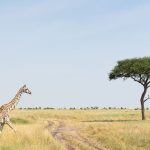
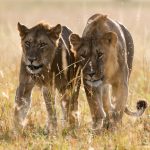
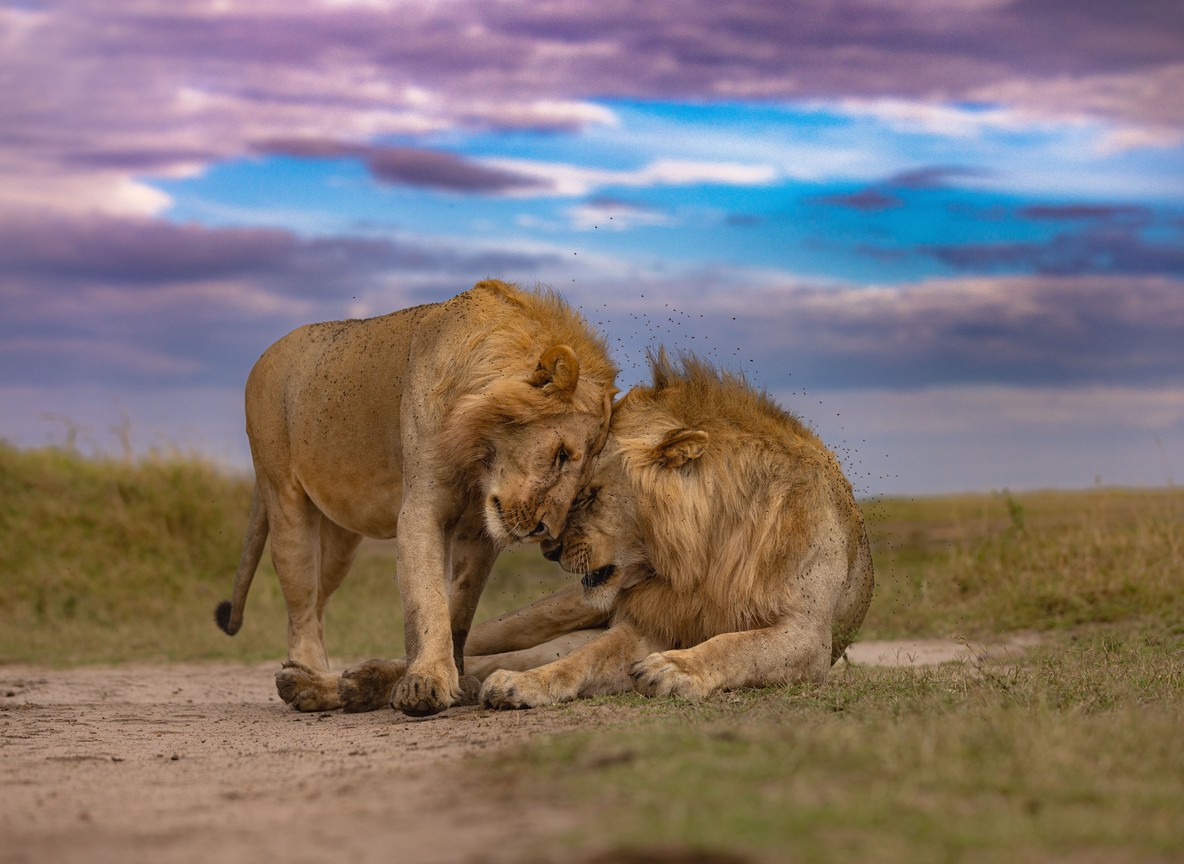
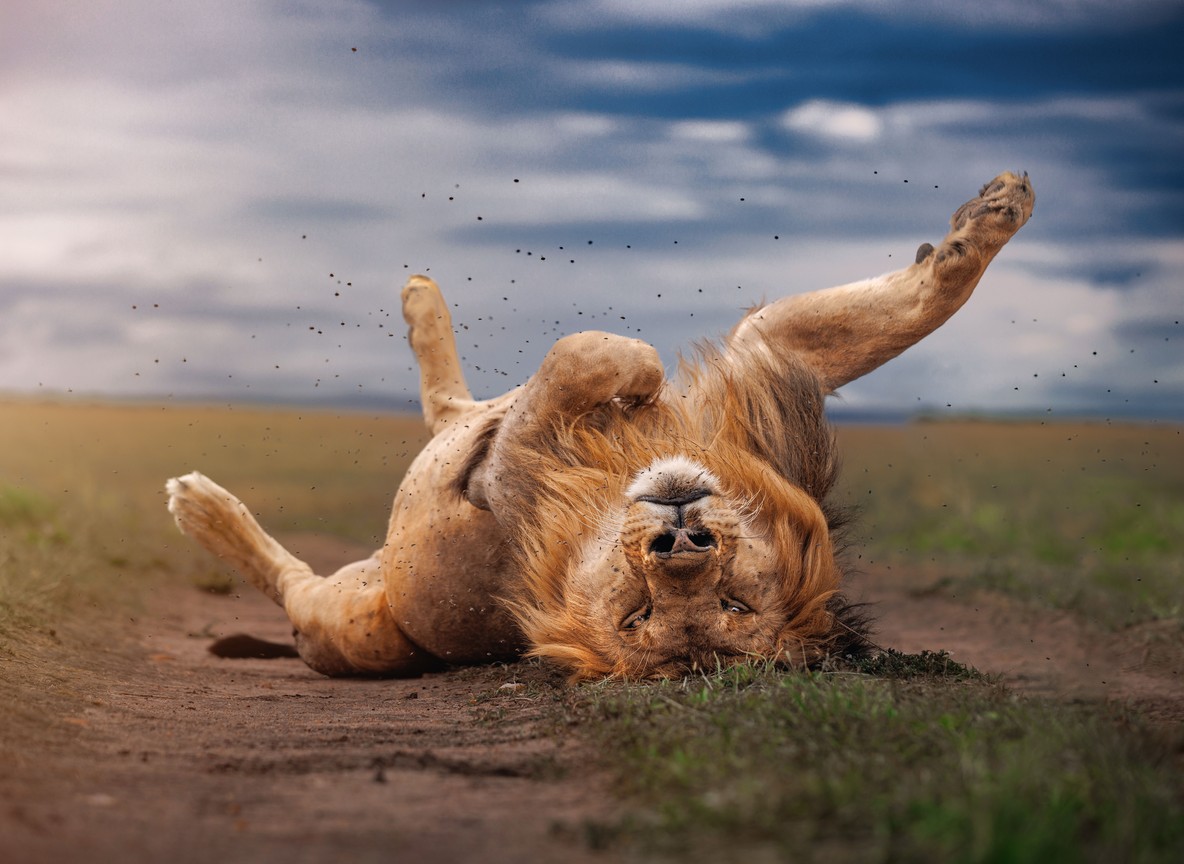
The Masai Mara sits in southwest Kenya along the Tanzanian border, covering roughly 1,510 square kilometres of open savannah grassland. It holds the highest predator density on the continent. On any given morning game drive, you might watch a lion pride ambush a zebra, then find a cheetah scanning from a termite mound half a kilometre away.
The Mara’s defining seasonal event is the Great Migration: from July through October, nearly two million wildebeest, zebra, and gazelle pour north from Tanzania’s Serengeti and across the Mara River into Kenya. Outside migration season, predator watching remains outstanding year-round.
The landscape is pure open plains with extraordinary visibility. Game drives have a cinematic quality, with sightings often playing out against a wide, unobstructed horizon.
Amboseli: Elephants and Kilimanjaro
Amboseli sits in southeast Kenya at the foot of Mount Kilimanjaro, covering 392 square kilometres. It is home to some of the most relaxed, habituated elephant herds in Africa: families that have been studied continuously for over fifty years and treat safari vehicles as furniture.
The park’s defining image is hard to beat. On a clear morning, a hundred elephants move through swamp grass with the snow-capped summit of Kilimanjaro behind them. No other park in Kenya produces this combination.
Amboseli is smaller, more intimate, and exceptionally photogenic. The experience is less about predator drama and more about atmosphere, elephant behaviour, and remarkable light conditions.
Wildlife Comparison: Who Wins on Each Species
| Wildlife Priority | Masai Mara | Amboseli |
|---|---|---|
| Lion sightings | Excellent (daily) | Occasional |
| Leopard | Very good | Rare |
| Cheetah | Excellent | Occasional |
| Elephant herds | Good | Outstanding |
| Great Migration | World-class (Jul-Oct) | Not present |
| Kilimanjaro backdrop | Not visible | Iconic |
| Hippo and crocodile | Yes (Mara River) | Yes (Ol Tukai swamps) |
| Bird diversity | High (450+ species) | Very high (600+ species) |
| Big Five complete | Yes | Yes (rhino rare) |
Bottom line: If predators and open-plain action are your priority, the Masai Mara delivers. If elephants against a world-famous mountain backdrop matter more, Amboseli wins without competition.
Best Time to Visit Each Park
Timing your first safari correctly is as important as choosing the park.
Masai Mara Timing
- July to October: Peak migration season. Mara River crossings are the centrepiece event. This is the busiest and most expensive window.
- January to March: Excellent for predators. Resident wildlife in strong form. One of the best-value periods in the Mara.
- June: Shoulder season. Grass is short, the migration is beginning to arrive, and rates have not yet reached August levels.
- April to May: Long rains. Some camps close. Road conditions are challenging. Not the right window for first-timers.
Amboseli Timing
- June to October and January to February: Dry seasons bring animals to water sources and produce the clearest Kilimanjaro views.
- November to May: The wet season. Kilimanjaro is frequently cloud-covered in the mornings, but birdlife peaks and rates drop noticeably.
For trips timed between July and October, the Masai Mara adds migration to an already strong wildlife offer. At any other time, both parks are equally compelling as a first Kenya safari destination.
Getting There: Access and Road Conditions
Masai Mara
- By road from Nairobi: 5 to 6 hours (260 km). The final stretch includes rough unpaved sections.
- By scheduled light aircraft from Wilson Airport, Nairobi: 45 minutes. Multiple daily departures.
- For first-timers with limited time, flying in is the most efficient option and avoids the rough road entirely.
Amboseli
- By road from Nairobi: 3.5 to 4.5 hours (240 km). Tarmac for most of the route.
- By scheduled light aircraft from Wilson Airport: 35 minutes.
- Amboseli is the easier road option. That matters for groups with young children or travellers who prefer to skip long overland drives.
Accommodation: What to Expect
Masai Mara Camps and Lodges
The Mara has a broad range of accommodation, from tented bush camps to high-end lodges. Options cluster around the national reserve boundaries and inside private conservancies including Naboisho, Mara North, and Ol Kinyei.
Budget tented camps start from around $150 per person per night. Mid-range lodges run $250 to $400. Premium conservancy camps reach $500 to $800 or more. The private conservancies cost more but offer exclusive game drives with far fewer vehicles.
Common first-timer picks:
- Fig Tree Camp (mid-range, Mara River location)
- Entim Camp (upmarket, private conservancy)
- Mara Sopa Lodge (solid value, good family rooms)
Amboseli Camps
Amboseli accommodation is more concentrated, mostly along the park’s swamp and northern boundary.
- Ol Tukai Lodge (mid-range, elephant views from the room)
- Amboseli Serena Safari Lodge (reliable standard, popular with families)
- Kibo Safari Camp (tented, budget-friendly, classic feel)
Amboseli camps tend to run slightly lower on average than comparable Mara properties, giving it a cost advantage for budget-conscious first-timers.
Cost Comparison
| Cost Factor | Masai Mara | Amboseli |
|---|---|---|
| Budget camp (per person/night) | From $150 | From $120 |
| Mid-range lodge (per person/night) | $250-$400 | $200-$350 |
| Premium camp (per person/night) | $500-$800+ | $400-$650 |
| Park fees (non-resident, daily) | $80 | $90 |
| Flight from Nairobi (one way) | $150-$200 | $120-$170 |
| Road transfer from Nairobi (return) | $120-$180 | $100-$150 |
Budget-conscious first-timers: Amboseli has the cost edge. For travellers willing to pay for predator density and migration potential, the Masai Mara justifies the premium.
Which Is Better for Families
Both parks work well for families. The difference is in how.
Masai Mara for families: Longer days of wildlife action keep older children (12 and above) fully engaged. The vast landscape creates a genuine sense of wilderness. July to October timing aligns with UK and US school summer holidays, which makes the migration a practical family option.
Amboseli for families: The park is smaller, which means less driving between sightings, better for younger children. Elephant proximity at the Ol Tukai area is reliably impressive for kids of any age. The Kilimanjaro backdrop creates a memorable visual that sticks long after the trip.
For families with seven or more days, a combined itinerary makes strong sense: two nights in Amboseli followed by three nights in the Mara gives you elephants, predators, migration if the season is right, and the full range of what Kenya offers.
Should You Do Both Parks?
For a trip of five to seven days, both parks fit comfortably with one night in Nairobi to break the travel. A workable combined schedule:
- Day 1: Arrive Nairobi, overnight in the city
- Days 2-3: Amboseli (2 nights), elephants and Kilimanjaro
- Day 4: Transfer to Nairobi, afternoon at leisure
- Days 5-7: Masai Mara (3 nights), predators and migration if in season
This structure lets you experience both parks without rushing either one. Combined mid-range itineraries typically run $1,400 to $1,900 per person, inclusive of accommodation, park fees, and game drives, depending on camp choice.
Explorer Notes: Making the Call
If you genuinely cannot decide between the two parks, ask yourself one question: what image do you want to carry home from Kenya?
A lion killing a zebra on an open Mara plain at first light? Or a hundred elephants walking through swamp grass with Kilimanjaro rising behind them? Both are real. Both are achievable. The parks deliver them differently, and neither is the wrong answer.
First-timers with a strong predator or migration focus should book the Mara. First-timers drawn to elephants, atmospheric landscapes, and photography should start at Amboseli. Anyone with enough time should do both.
What to Read Next
For a deeper look at timing the Masai Mara across all twelve months, the Masai Mara monthly weather guide covers road conditions, wildlife patterns, and migration timing in detail. If you are visiting during migration season and want to understand how to see the river crossings without disrupting them, the responsible migration safari guide is worth reading before you travel.
For combined Masai Mara and Amboseli itineraries, Trunktrails Safaris builds Kenya tours covering both parks from a Nairobi base.
Turn this reading into a real itinerary with help from a Kenya-based safari team.
Start Planning Your Safari